Are Handmade Products Worth the Price? How to Judge a Fair Price Before You Buy Jewelry and Accessories
Have you ever loved a handmade piece, then felt unsure about the price? Many of us have. It is natural to wonder why a similar item costs less elsewhere. This blog explains why handmade is expensive, from the materials and hours to the skill and the people behind each piece, with a simple checklist to help you see the value for yourself.
Why Handmade Things Are Expensive: What the Price Holds
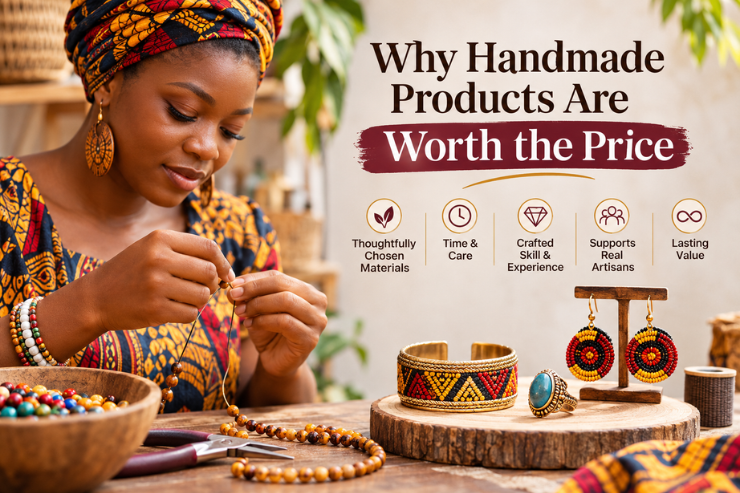
A factory spreads its costs across thousands of identical pieces. A handmade piece is different, and its price holds five things:
- Materials chosen with care
- The unseen time and effort invested
- Skill built over years
- People who depend on that work
- A design that lasts and stays in heart
The price tag shows who did the work, and how long it took.
Why Pure Materials Matter More Than the Shine
Many small-batch makers choose named, traceable materials, such as sterling silver, natural plant oils, or ethically sourced stones. They buy in small amounts, so each material costs more per piece.
Why this matters to you:
- Many people find pure materials gentler on the skin
- Pieces tend to age well and keep their finish
- You know exactly what you are wearing or using
Mass production has different priorities, like keeping costs low across thousands of items. Artisans simply put materials first. Skin differs from person to person, so it still helps to ask the seller what a piece is made of.
Handmade vs Mass-Produced: Where the Hours Go
The difference between handmade vs. mass-produced work begins with time. A factory measures value in how many items it can make in an hour. A workshop measures it in attention.
Before the final piece is built, our sellers sketch ideas, test shapes, and set aside versions that are not quite right. Then comes slow finishing, like wire-wrapping, engraving, or setting stones.
| Factors | Handmade | Mass-produced |
| How it’s made | By hand, piece by piece | By machine, in large runs |
| Time on each item | Often hours, sometimes days | A small slice of a machine run |
| Studio costs | Shared by a few pieces | Shared by thousands |
| What you receive | A gift made with care | A consistent, repeatable item |
Why Years of Practice Are Part of the Price
When you hold a finished handmade product, you see the result, not the learning behind it. An artisan’s skill comes from years of practice, mistakes, and patient improvement.
- Time spent learning a technique before selling a single piece
- Materials used up while experimenting
- Skills often passed down through family and community
Many of these techniques are hard for a machine to copy. Paying for them helps keep craft traditions alive, including parts of African fashion culture.
Who Does Your Money Support? Honoring the Hands
Behind every handmade piece is a thoughtful soul, and a fair price helps the maker to:
- Earn a sustainable wage for their time
- Work in a safe, comfortable space
- Buy supplies from local sellers
- Cover everyday needs, like food, bills, and school fees
For many African artisans, fair pay also keeps family and community skills alive, from beadwork to Ankara print accessories rooted in African fashion culture and African clothing culture.
Knowing who made a piece, and who your purchase supports, can make buying feel more personal. Which is why at AFOMA Marketplace, we share maker stories and product origins, so you know the story behind the craft you bring home.
Is Handmade Jewelry Worth It? The Return on Investment
Worth is personal. It depends on how you’ll wear and keep the piece. Many buyers find handmade jewelry worth it for these reasons:
- Built to last: Careful making and solid materials often mean years of wear, and many pieces can be repaired
- Rare by nature: Hands never repeat a motion exactly, so small variations make each piece unique
- Made in small batches: Fewer pieces are made, so fewer people own the same one
If you’d like to see these details in real pieces, you can look through our bracelets and bangles, necklaces and pendants, or rings.
5 Pillars of Value: The Buyer’s Checklist
The pillars behind why handmade is expensive are as follows:
| Pillar | The why | A question to ask |
| Materials | Pure, traceable materials cost more in small batches | What is this made of? |
| Hours | Design, making, and finishing take focused time | How long does one piece take? |
| Mastery | Years of practice sit behind the skill | How did you learn this craft? |
| People | A fair price supports the maker and their household | Who made this? |
| Longevity | Built to last, and rare by nature | Can it be repaired? |
Not sure if the product is truly handmade? This guide on how to verify an authentic handmade product before you buy can help.
Embrace the Story Behind the Craft
Handmade pricing isn’t random. It reflects materials, hours, skill, and fair pay for the person behind the piece. Factory-made jewelry has its own strengths, like lower cost and easy replacement, so the right choice depends on what you value for each purchase.
This is why at AFOMA Marketplace, we share the maker’s story, materials, and process with each piece, so you know the authenticity of the product before you decide.
So, next time a price makes you pause, ask three things: what is it made of, how long did it take, and who made it?
FAQs
1. Why is handmade jewelry more expensive than store-bought?
It reflects materials chosen in small batches, hours of focused work, years of skill, and fair pay for the maker. Machines spread costs across thousands of items; a workshop spreads them across a few.
2. Is handmade jewelry worth it?
Handmade jewelry pieces are often built to last, can be repaired, and are rare by nature. Worth depends on what you value, such as quality, uniqueness, or supporting a maker.
3. Is handmade jewelry safe for sensitive skin?
It can be gentler when made with pure materials like sterling silver, but reactions vary by person. Ask the seller what metals and finishes are used, and check the product description before buying.
4. Why do some handmade items take longer to arrive?
Many pieces are made in small batches or on order, so the maker begins after you buy. Careful finishing, quality checks, and personal packaging also take time. Check the listing for the maker’s timeline.
5. Are handmade products always better quality?
Quality depends on the maker’s skill, materials, and care. Look for named materials, clear photos, and maker details, and read the product description closely to judge each piece on its own.

- Why Handmade Products Are Worth the Price – November 11, 2026
- How to Prepare Your Handmade Business for International Orders – November 2, 2026
- Made-to-Order vs Ready-to-Ship Handmade Products: Which Model Is Better? – October 26, 2026
Leave a Reply